
Among the specialized construction arms we manufacture, clients frequently request a design featuring dual hydraulic cylinders. So, what exactly is a dual hydraulic cylinder setup?
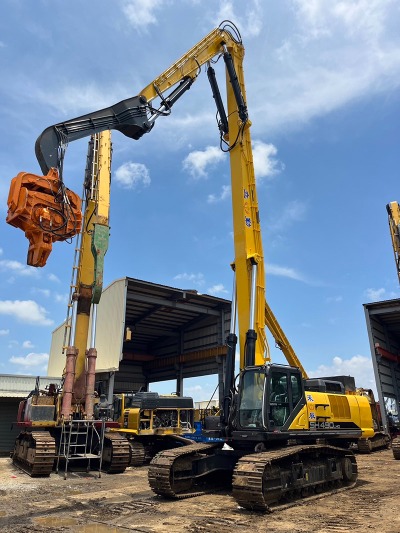
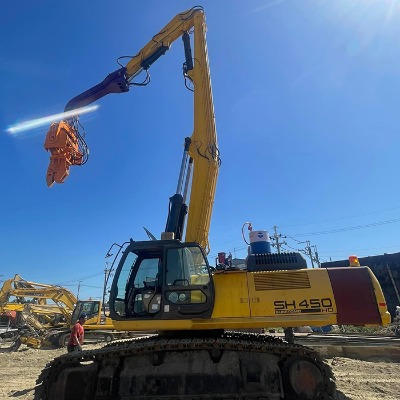
As the name implies, a dual-hydraulic-cylinder setup involves two cylinders acting on the dipper arm; in essence, the operational outcome is the same as that of a single-cylinder system.
So, why are some users so keen on the dual-cylinder design?
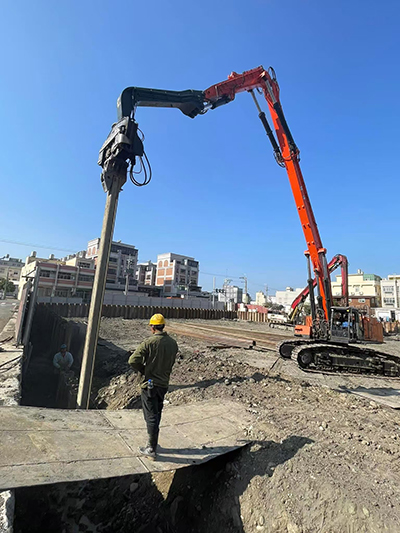
When manufacturing specialized excavator arms, we factor in whether the equipment will meet the client's operational requirements—such as reach, height, force, and operating angles. These specifications are determined through extensive calculation and accumulated experience.
The dual-cylinder system discussed here addresses considerations regarding force and operating angles.
Let us first look at the single-cylinder system: it is simple to manufacture, easy and quick to maintain, and offers lower operating costs for the client. However, a key drawback of the single-cylinder arm is uneven wear. Once wear reaches a certain point, cylinder instability and friction at the connection between the boom and the arm cause shaking during operation; furthermore, a failure in the single cylinder immediately halts work.
This is where the advantages of the dual-cylinder system become apparent. The dual-cylinder design allows for parallel force application when extending or retracting the arm, effectively minimizing uneven wear. Additionally, it vastly outperforms the single-cylinder design in terms of pushing and pulling force.
Given these benefits, many clients opt for the dual-cylinder system; we hope this information proves helpful to those considering this design for future projects.
We are online 7*24 hours to answer all your questions


By Subscribing to Our Mailing List You Will Always Get Latest News and Updates from Us.


 News letter
